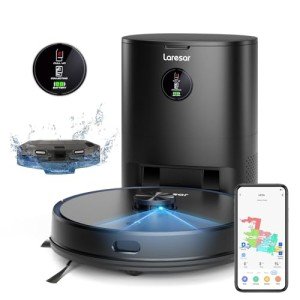
14 Smart Ways To Spend Left-Over Vacuum Cleaner Robot Budget
The Rise of the Autonomous Cleaner: Exploring the World of Robot Vacuum Cleaners
In a period where innovation increasingly penetrates every aspect of our lives, household chores are no exception. Among the most substantial improvements in home cleaning has been the robot vacuum. These ingenious gadgets have moved from specific niche devices to traditional family assistants, providing a hands-free approach to maintaining tidy floors. This short article explores the world of robot vacuum cleaners, exploring their performances, benefits, different types readily available, and essential considerations for anybody pondering bringing one of these automated helpers into their home.
Robot vacuum have recorded the imagination and useful requirements of hectic people and families alike. They are no longer a futuristic fantasy however a tangible solution to the ever-present task of floor cleaning. By automating the vacuuming procedure, these robots totally free up valuable energy and time, enabling people to concentrate on more pushing or pleasurable activities. But how do these compact devices navigate our homes and keep our floorings spick and cover?
Comprehending the Inner Workings of a Robot Vacuum Cleaner
At their core, robot vacuum are advanced makers that integrate sensors, navigation systems, and cleaning systems to autonomously tidy floorings. They operate on a rechargeable battery and are typically programmed to navigate a space without direct human control. While the particular technology differs in between models and brands, a number of core parts contribute to their functionality:
Sensors: Robot vacuums are geared up with a variety of sensing units that permit them to perceive their environment. These can consist of:
- Bump Sensors: Mechanical sensing units that spot collisions with obstacles. When a bump sensor is triggered, the robot changes direction.
- Cliff Sensors: Infrared sensors that discover drops, preventing the robot from falling off stairs or ledges.
- Wall Sensors: Proximity sensors that allow the robot to follow walls and edges carefully for thorough cleaning.
- Mapping Sensors (Advanced Models): LiDAR (Light Detection and Ranging), cameras, or other innovative sensors used in higher-end models to develop a map of the home. This permits more systematic and efficient cleaning patterns.
Navigation Systems: How a robot vacuum navigates is essential to its effectiveness. Typical navigation techniques include:
- Random Bounce Navigation: Simpler and frequently cheaper models utilize this technique. They move in a rather random pattern, bouncing off obstacles till they have covered a location, theoretically. While economical, this method can be less efficient and might miss out on spots.
- Systematic Navigation: More advanced models make use of organized navigation, frequently using algorithms to clean up in organized patterns, like straight lines or back-and-forth movements. This ensures more complete protection and is normally faster than random navigation.
- Smart Mapping & & Navigation: The most sophisticated robots take advantage of mapping technology (like LiDAR or visual SLAM – Simultaneous Localization and Mapping). simply click the following page create a digital map of the home and utilize this map to strategy effective cleaning paths, permitting zone cleaning, virtual walls, and even selective room cleaning via mobile phone apps.
Cleaning Mechanisms: Like traditional vacuum, robot vacuums make use of brushes and suction to get dirt and particles.
- Main Brush Roll: A rotating brush roll, usually situated underneath the robot, upsets carpets and sweeps particles into the suction course. Some models have actually specialized brush rolls for different floor types.
- Side Brushes: Small rotating brushes that extend from the side of the robot to sweep particles from edges and corners into the course of the primary brush and suction.
- Suction Motor: A motor that produces suction to raise dirt and dust into the dustbin. Suction power varies in between designs.
Dust Collection: Most robot vacuums make use of a dustbin located within the robot itself. The dustbin capacity varies, and regular emptying is required. Some advanced designs are now equipped with self-emptying bases, which immediately transfer collected debris into a larger bin in the charging dock, reducing the frequency of manual emptying.
The Compelling Benefits of Robot Vacuum Cleaners
The appeal of robot vacuum cleaners depends on the numerous benefits they offer to property owners:
- Unparalleled Convenience: The most considerable benefit is automation. Users can schedule cleaning sessions, begin a cleaning cycle from another location by means of a mobile phone app, or just press a button, and the robot looks after the vacuuming without additional intervention. This maximizes time for other tasks or relaxation.
- Constant Cleanliness: Robot vacuums can be programmed to tidy regularly, even daily, ensuring a more consistently clean home compared to traditional vacuuming done less often. Routine, light cleaning by a robot can be more efficient at preserving overall tidiness than infrequent deep cleans.
- Reaching Under Furniture: Their low profile permits robot vacuums to easily navigate under beds, couches, and other furniture, areas typically tough to reach with traditional vacuums. This ensures thorough cleaning throughout all accessible floor space.
- Reduced Physical Effort: For people with movement problems or those who merely wish to avoid the physical effort of vacuuming, robot vacuums provide a welcome alternative. They get rid of the need to press, pull, and bend while cleaning floorings.
- Pet Hair Management: Many robot vacuums are especially reliable at handling pet hair. Models created with stronger suction and specialized brush rolls are adept at getting pet hair from carpets and hard floorings, contributing to a cleaner and much healthier home environment for pet owners.
- Integration with Smart Homes: Many modern robot vacuums can be incorporated with smart home communities, enabling voice control through virtual assistants like Alexa or Google Assistant, even more boosting convenience and automation.
Browsing the Types of Robot Vacuum Cleaners
The robot vacuum market varies, offering various types and functions to deal with various needs and budget plans:
- Basic Robot Vacuums: These entry-level models typically feature random bounce navigation and easier sensing unit systems. They are typically more budget-friendly and suitable for smaller sized homes or areas with very little challenges.
- Advanced Robot Vacuums with Mapping: These models use smart mapping and systematic navigation for efficient and extensive cleaning. They typically consist of features like zone cleaning, virtual walls, multi-floor mapping, and mobile phone app control. These are perfect for bigger homes and those seeking comprehensive and adjustable cleaning.
- Hybrid Robot Vacuum and Mops: Combining vacuuming and wet mopping performance, these robots use a two-in-one cleaning solution. They vacuum up debris and after that mop difficult floorings utilizing a damp pad or water tank. These are practical for homes with primarily tough floorings.
- Specialized Robot Vacuums: Some designs are designed with specific needs in mind. These may consist of robot vacuums optimized for pet hair elimination, models with extra-long battery life for large homes, or those with self-emptying dustbins for minimal upkeep.
Key Considerations When Choosing a Robot Vacuum Cleaner
Picking the best robot vacuum needs cautious consideration of individual requirements and home environment:
- Home Size and Layout: Larger homes and complicated layouts with several rooms and challenges might gain from robot vacuums with smart mapping and systematic navigation. Smaller sized houses or single-level homes may be effectively served by simpler models.
- Floor Types: Consider the dominant floor key ins your home. Some robots are better suited for carpets, while others excel on hard floors. Try to find designs with adjustable suction and brush rolls developed for your specific flooring.
- Pet Ownership: If you have pets, focus on robot vacuums specifically designed for pet hair removal. Search for designs with strong suction, tangle-free brush rolls, and efficient filtration systems.
- Budget plan: Robot vacuum rates vary extensively. Determine your budget plan and balance desired features with cost. Fundamental designs are affordable, while innovative designs with mapping and smart functions command a higher cost.
- Smart Features and Connectivity: Decide which smart features are necessary to you. App control, zone cleaning, virtual walls, and voice control can substantially enhance the user experience but may increase the price.
- Battery Life and Coverage: Consider the battery life and cleaning protection area used by the robot. Guarantee it suffices to clean your wanted area on a single charge.
- Maintenance and Upkeep: Be conscious of the maintenance requirements, such as emptying the dustbin, cleaning brushes, and changing filters. Some models with self-emptying bases lower manual clearing frequency however might have higher upfront costs.
Maintaining Your Robot Vacuum for Optimal Performance
To ensure your robot vacuum cleaner runs efficiently and dependably for several years to come, regular maintenance is essential:
- Emptying the Dustbin: Empty the dustbin often, preferably after each cleaning cycle, to maintain ideal suction power and prevent obstructing.
- Cleaning Brushes and Filters: Regularly remove and clean the primary brush roll and side brushes to get rid of trapped hair and debris. Tidy or change filters as suggested by the producer to keep air filtration effectiveness.
- Inspect for Obstructions: Periodically inspect the robot and remove any tangled hair or particles around the wheels and brushes to make sure smooth movement.
- Software Updates (If Applicable): For smart designs, guarantee you keep the software application upgraded by means of the producer's app to benefit from performance improvements and new features.
- Battery Care: Follow the maker's suggestions for charging and battery care to maximize battery life-span.
The Future is Autonomous Cleaning
Robot vacuum technology is continuously evolving. Future developments are most likely to include:
- Enhanced AI and Navigation: Improved synthetic intelligence will result in even smarter navigation, better object recognition, and more effective cleaning patterns.
- Advanced Obstacle Avoidance: Robots will become even better at identifying and preventing challenges, including smaller sized things and pet accidents, further decreasing the need for pre-cleaning preparation.
- Enhanced Integration with Smart Homes: Seamless integration with wider smart home ecosystems will allow more advanced automation and control.
- More Advanced Cleaning Features: We may see robot vacuums including more innovative cleaning technologies, such as UV sanitation for germ removal or more sophisticated mopping capabilities.
Conclusion: Embracing the Convenience of Automated Cleaning
Robot vacuum have actually revolutionized the way we approach floor cleaning. They provide an indisputable mix of convenience, performance, and technological development. By understanding their performance, checking out the varied types offered, and carefully considering individual requirements, consumers can make an informed decision and bring home a robot vacuum that efficiently simplifies family tasks and adds to a cleaner, more comfy living environment. As technology continues to advance, robot vacuums are poised to become a much more integral part of the contemporary home, flawlessly handling the job of floor cleaning so that we can focus on what truly matters.
Frequently Asked Questions (FAQs) about Robot Vacuum Cleaners
Q: Are robot vacuum cleaners as effective as conventional vacuum?A: Robot vacuum are usually really effective for daily cleaning and maintenance. While some might not have the exact same deep cleaning power as high-end traditional vacuums for heavily soiled carpets, they stand out at consistent, routine cleaning, which can be more reliable in the long run. Advanced designs with strong suction and functions like carpet boost modes can be rather similar to traditional vacuums for a lot of home cleaning requirements.
Q: How long do robot vacuum batteries last?A: Battery life varies depending on the design and settings. Many robot vacuums use battery life varying from 60 to 120 minutes on a single charge. Some high-end models can run for even longer. Aspects like suction power and cleaning mode can affect battery life.
Q: Are robot vacuum cleaners noisy?A: Robot vacuum cleaners are typically quieter than conventional vacuum cleaners. Sound levels differ between designs, but the majority of operate at a relatively low volume, permitting use even when people are at home without substantial disruption.
Q: Can robot vacuum cleaners clean pet hair efficiently?A: Yes, many robot vacuum cleaners are specifically developed for pet hair elimination and are extremely efficient. robotic hoovers for designs with strong suction, tangle-free brush rolls, and HEPA filters to trap irritants.
Q: Do robot vacuum work on all floor types?A: Most robot vacuum cleaners are designed to deal with a range of floor types consisting of hardwood, tile, laminate, and carpets. However, some models are better fit for particular floor types. Consider your primary floor types when selecting a robot vacuum.
Q: What happens if a robot vacuum gets stuck?A: Most robot vacuums are designed to prevent getting stuck. They have sensors to navigate around barriers and avoid cliffs. Nevertheless, they can periodically get stuck on cables, loose carpets, or in tight spaces. Advanced models typically have features to immediately free themselves or send notices if they get stuck.
Q: How typically do I require to clear the dustbin?A: It is recommended to empty the dustbin after each cleaning cycle or as required, depending upon the amount of debris collected. Routine clearing ensures ideal suction and efficiency.
Q: Can I control my robot vacuum with my mobile phone?A: Yes, lots of modern robot vacuum include smart device app connection. This allows you to set up cleaning sessions, start/stop cleaning remotely, monitor cleaning progress, established virtual walls, and gain access to other smart functions.
Q: What are virtual walls and zone cleaning?A: Virtual walls are unnoticeable limits that you can establish (typically through an app or physical barriers) to prevent the robot vacuum from entering certain areas. Zone cleaning enables you to define particular zones or spaces for the robot to tidy, using targeted cleaning functionality.